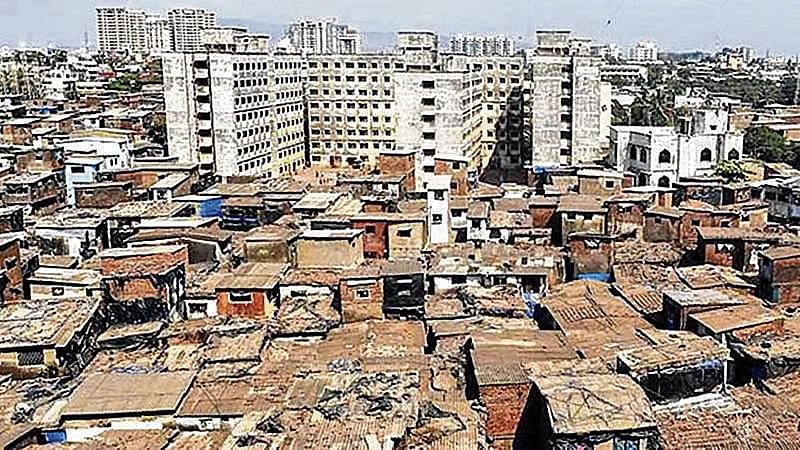
The Maharashtra government has announced plans to finalise a comprehensive self-redevelopment policy aimed at revitalising ageing buildings under the Slum Rehabilitation Authority (SRA) and the earlier Slum Redevelopment (SRD) schemes.
This move addresses long-standing concerns over dilapidated housing structures that now pose significant safety risks to residents, many of which are nearing four decades old. The announcement follows discussions in the state legislative council, where the issue was raised during question hour.
Legislative Backdrop
Member Sachin Ahir highlighted the urgent need for redevelopment in rehabilitated schemes, emphasising the dangers faced by occupants in these outdated complexes. Replying on behalf of Deputy Chief Minister Eknath Shinde, Tourism Minister Shambhuraj Desai outlined the government's approach.
The July 23, 2025, housing policy already includes provisions for redeveloping precarious buildings. Additionally, the SRA has been directed to amend the Development Control and Promotion Regulations (DCPR-2034) and associated by-laws to support self-redevelopment initiatives.
The Darekar Committee Report
The government is reviewing a detailed report from the Pravin Darekar-led Cooperative Housing Societies Self-Redevelopment – Cluster Redevelopment Study Committee. This 300-page document, submitted to Chief Minister Devendra Fadnavis and Deputy Chief Minister Eknath Shinde, focuses on accelerating pending projects while protecting residents' interests.
Darekar noted that the recommendations could provide relief to thousands of families in Mumbai by facilitating access to modern, upgraded homes. Demands include additional Floor Space Index (FSI) and relaxations on requirements like minimum road widths to enhance project feasibility.
Key Policy Dimensions
Urgent Redevelopment Needed: Ageing SRA and SRD buildings, some four decades old, require immediate attention to mitigate safety risks.
Policy Amendments: SRA to update DCPR-2034 and by-laws; a joint departmental plan is due within two months.
Committee Insights: The Darekar report's feasible recommendations to be integrated, focusing on project acceleration and resident protections.
Regulatory Relaxations: Calls for extra FSI and eased conditions to make self-redevelopment viable.
Expanded Scope: Potential inclusion of 1991 SRD projects to address a wider range of dilapidated housing — as called for by Senior Shiv Sena (UBT) leader Anil Parab.
This policy could unlock stalled redevelopment efforts, alleviating Mumbai's housing shortages and promoting urban renewal. By enabling self-redevelopment, it empowers housing societies to modernise while balancing development with community needs.
What This Means for Mumbai
Since the 2019 policy, 18 out of 19 key demands have been addressed, with a new committee formed in April 2025 to incorporate evolving needs through practical suggestions. As Mumbai continues to evolve, such regulatory advancements are crucial for creating safer, more sustainable living environments.