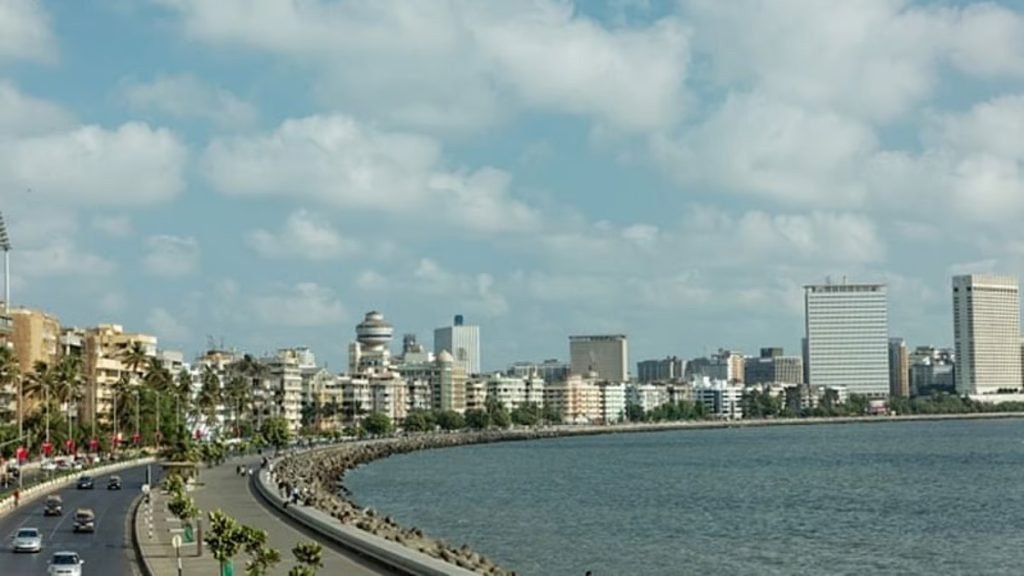
Mumbai's eastern waterfront risks becoming another missed opportunity unless citizen-first planning prevails. A once-in-a-generation chance to transform 966 hectares of prime coastline is slowly slipping away.
Gadkari's Bold Vision for the Eastern Waterfront
When Nitin Gadkari earned the title "Highwayman of India", it wasn't just for his passion for roads. It was for a track record that was measurable, transformative, and sustained. Under his stewardship, India's national highway network expanded from roughly 96,000km in 2014 to over 146,000km by 2024 at unprecedented speed.
In 2017, as Union Minister for Shipping, Gadkari turned his sights to Mumbai's eastern waterfront, unveiling a redevelopment plan unlike anything the city had seen before. The proposal was bold: 966 hectares of prime coastline, from Colaba to Wadala, set aside to become a public asset as iconic as Marine Drive. At its heart was a 7km promenade, framed by cultural and tourism infrastructure, landmark architecture, marinas, water transport, and open gardens.
A Vision Now Faltering
Eight years later, that vision is faltering. The Mumbai Port Authority's recent move to lease 215 acres for up to 30 years — primarily for warehousing and industrial use — may generate over ₹800 crore annually, but it sidelines the original citizen-first blueprint. In a city already gasping for open space, promenades have been pared back and gardens erased from the plan.
The pivot feels like a retreat, echoing the fate of other unrealised urban dreams — from Charles Correa's unbuilt mill-land vision, to PG Patankar's underground railway, and further back to Patrick Geddes's proposal for a monumental Bandra Gateway and Civic Centre.
Mumbai is already falling behind global harbour cities. The eastern waterfront could still be a defining legacy — but only if vision is matched with political will and long-range commitment.
What Global Harbour Cities Got Right
This matters because Mumbai is already falling behind global harbour cities. Singapore's Marina Bay combines finance with green lungs like Gardens by the Bay. Sydney's harbour integrates its Opera House, Bridge, ferries, and parks into a civic identity shared by residents and tourists alike. Even Dubai's Palm Jumeirah and Shanghai's Bund, though commercialised, preserve promenades and public recreation as part of their appeal.
None of these cities leased away prime waterfront land wholesale; they invested in integrated plans that amplified public value, turning coastlines into engines of inclusive growth.
The Opportunity That Remains
Gadkari's highway record proves what can happen when vision is matched with political will and long-range commitment. The eastern waterfront could still be that kind of legacy — an urban front door that signals Mumbai's readiness to stand among the world's great harbour cities.
The Highwayman's achievements should not stop at the shoreline; they must extend to shape a waterfront that reflects Mumbai's truest self: resilient, diverse, and forward-looking.