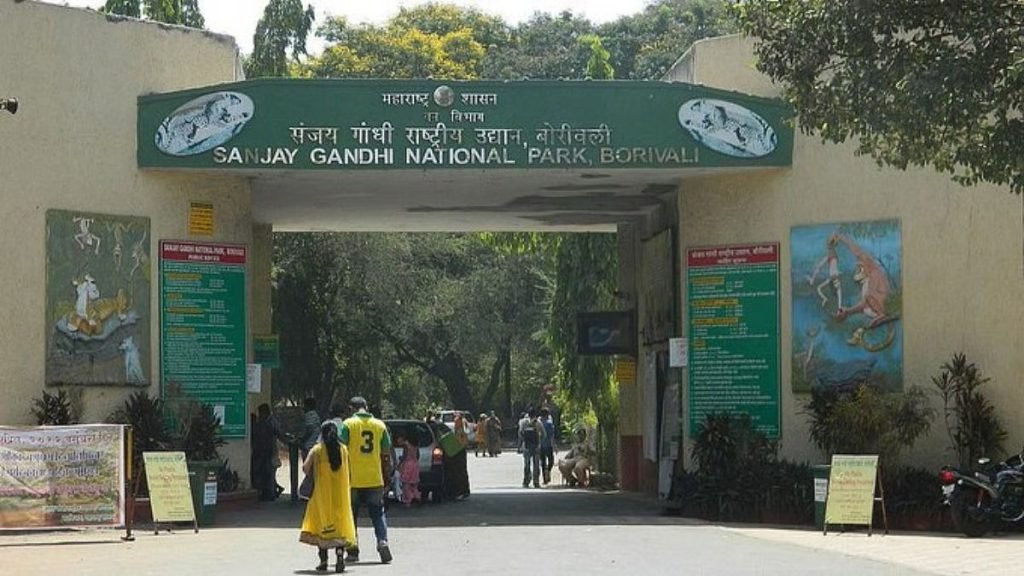
The long-delayed draft Zonal Master Plan for Sanjay Gandhi National Park's eco-sensitive zone, released this September, presents itself as a progressive blueprint. After nine years of waiting, Mumbai finally has a plan to regulate activity in this fragile 59km buffer.
At the heart of the proposal is an invitation to build "sustainable villages, lodges, wellness centres, homestays, cottages" alongside trekking, boating, and other nature-based activities. The stated aim: empower locals through ecotourism while safeguarding ecology. But as history shows, the line between empowerment and exploitation is perilously thin.
The Promise of Community-Led Ecotourism
On paper, the intent is sound. SGNP is home not just to leopards, lakes, and 1,300 plant species but also to Adivasi communities who have long been excluded from formal conservation policy. Creating eco-lodges or homestays could offer them dignified livelihoods, monetising traditional knowledge through guiding treks, herbal medicine, or cultural experiences.
Models like Kerala's Periyar Tiger Reserve demonstrate how community-led eco-tourism can boost local incomes while strengthening conservation. In SGNP, such initiatives could reduce reliance on logging, land grabs, or slum expansion that already threaten 184 hectares of this buffer zone.
The Devil in the Details
Yet the omissions are concerning. The same draft that promises sustainable villages also mentions "medical rehabilitation and wellness centres" with no caps, safeguards, or clarity. This raises a red flag: what begins as homestays could morph into high-end resorts marketed to Mumbai's elite.
Already, 33% of the eco-sensitive zone is developed, including 146 hectares of industrial activity and 138 hectares of commercial use — choking the very buffer meant to protect the core forest. Activists like Stalin Dayanand of Vanashakti and Debi Goenka have warned that the plan risks diluting environmental protections, blurring jurisdiction, and even enabling projects that contravene the Environmental Protection Act.
SGNP should stand as a living legacy for generations, not a cautionary tale of what happens when nature is left to the market.
Lessons from Corbett and Bhutan
India has seen this before. Jim Corbett National Park's unchecked resorts depleted groundwater and disrupted wildlife corridors. SGNP, already strained by slums, industries, and overcrowding at Kanheri Caves and Tulsi Lake, could face the same spiral: more footfall, more pollution, less wilderness.
Global precedents exist. Bhutan aligns tourism with its Gross National Happiness index, mandating that a significant portion of tourism revenue directly funds conservation and local welfare. SGNP's ZMP could adopt a similar framework — ensuring that ecotourism strengthens, rather than erodes, ecological resilience.
What Citizens Must Demand
The 30-day consultation period was critical. Citizens needed to demand safeguards: mandatory environmental impact assessments for every proposed lodge or centre, enforceable visitor limits, and revenue models that prioritise Adivasi cooperatives. Promises of "effective visitor management" ring hollow without binding caps on numbers, strict bans on plastic and non-biodegradable waste, and robust monitoring systems.